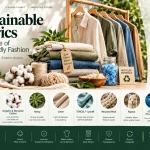
Fashion is changing. Shoppers, designers, and brands now ask harder questions about what clothes are made from, how they are made, and what happens after wear. Sustainable fabrics are not one perfect group. They include natural fibers, recycled materials, carefully sourced animal fibers, and newer options that try to cut harm in different ways. This guide explains sustainable fabric materials, where trade-offs appear, and how to make better choices without greenwashing.
What makes a fabric truly sustainable?
A fabric is more sustainable when its full life uses less water, less energy, fewer harmful chemicals, safer labor, responsible sourcing, and a real end-of-life plan. That means eco-friendly textile materials should be judged by more than a soft feel or a green label. Fiber source, farming or recycling, dyeing, durability, washing impact, and how it breaks down all matter.
The honest answer is simple: no material is impact-free. Organic cotton can cut pesticide use, but it still needs land and water. Recycled synthetics can keep waste out of landfill, but they may shed microplastics. New plant-based textiles can be useful, yet some are still scaling and may lack long-term life cycle data. The goal is to choose materials that fit the garment’s job while cutting avoidable harm.
A useful way to judge sustainable clothing materials is to ask a few questions:
- Does this fabric cut virgin resource use?
- Will it last?
- Is the process clear?
- Can we repair, reuse, recycle, or safely return it to nature?
The best options usually do well on more than one question.

The leading sustainable fabrics shaping modern wardrobes
Sustainable fabrics fall into a few groups: lower-impact natural fibers, recycled fibers, responsibly sourced animal fibers, and next-gen materials. Each group has strengths, limits, and best uses. Knowing the differences helps shoppers buy better and helps brands choose eco-friendly fashion materials that match performance needs.
Recycled cotton and organic cotton
Cotton is familiar, breathable, and useful. But standard cotton can use a lot of resources. Organic cotton is grown without the same reliance on synthetic pesticides and fertilizers. It can be a better choice when the brand can show real certification and traceability. Still, organic cotton does not solve every impact issue if water use, dyeing, and oversupply stay high.
Recycled cotton can be even more useful. It gives old fibers a second life. It cuts the need for new cotton, keeps textile waste out of landfill, and saves resources versus growing new fiber. Recycled cotton fibers may be shorter, so they often need blending for strength. Brands should be clear about mix, feel, and wear life.
Hemp and linen
Hemp and linen are strong sustainable materials from plants that usually need fewer resources than many other crops. Hemp is known for durability, airflow, and good soil use. Linen, made from flax, is light, elegant, and long-lasting when cared for well.
Both fibers work well for warm-weather clothes, shirts, trousers, home textiles, and relaxed tailoring. Unbleached or naturally dyed versions can cut processing impact even more. Texture is the key. Some fabrics wrinkle or feel crisp at first, but many people like that natural look. Over time, both can get softer.
TENCEL™ Lyocell and other responsible cellulosics
Lyocell is a man-made cellulosic fiber usually made from wood pulp. TENCEL™ Lyocell is well known for its closed-loop process, where solvents are captured and reused instead of dumped. The fabric is smooth, breathable, and drapey, so it works well for dresses, shirts, and sleepwear.
These materials can be strong choices instead of petroleum-based synthetics when softness and moisture control matter. But not all wood-based cellulosics are equal. Responsible forestry, chemical control, and certification are key. Poorly sourced pulp can still harm forests.
Recycled wool, responsible wool, and alpaca
Animal fibers need careful review… Recycled wool cuts the need for new fiber and works well for coats, knitwear, insulation, and accessories. Want to see these fabrics in action? Our guide to fall outfits for men shows how to style wool coats, knitwear, and other seasonal layers. It keeps wool’s warmth and odor resistance while reducing the need to raise new animals.
Responsibly sourced virgin wool can also make sense when animal care, land use, and records are strong. Some people see alpaca as a lower-impact luxury fiber because it is durable, warm, and often linked with lighter grazing than some livestock systems. Still, the best choice depends on clear sourcing, not on the animal name alone.
ECONYL®, recycled nylon, and recycled polyester
Recycled synthetics turn waste streams such as old fishing nets, industrial plastic, or used bottles into new yarns. ECONYL®, a recycled nylon, is a well-known example used in swimwear, outerwear, bags, and performance wear. Recycled polyester is also common and can cut the need for virgin oil-based fibers.
The upside is clear: old plastic becomes useful material. The downside is also clear: synthetic fabrics can shed microplastics during washing, and they do not break down like many natural fibers. Eco-friendly clothing materials work best in durable items like outerwear, technical gear, or swimwear, not in things that need frequent washing unless the use case fits.
How can shoppers avoid greenwashing?
Shoppers can avoid greenwashing by looking for proof, not broad claims. A tag that says conscious, natural, or planet-friendly is less useful than a clear fiber mix, trusted certification, sourcing details, and care advice that helps the garment last.
Start with the label, but do not stop there. A brand can market a product as sustainable if it is made with only 10% recycled fiber, even if the rest is conventional and the brand gives little detail. In the same way, a natural fiber that is badly processed or falls apart fast is not a better choice by default.
Use this simple checklist before buying:
- Check the fiber content. Look for clear shares of organic, recycled, plant-based, or certified materials.
- Look for trusted certifications. GOTS, OEKO-TEX® Standard 100, and Fair Trade can give useful signals for sustainable products.
- Ask whether the material fits the garment. Durable recycled nylon may suit a rain jacket; breathable linen may suit a summer shirt.
- Consider care needs. A fabric that needs dry cleaning or delicate handling may have a larger footprint than expected.
- Check brand transparency. Strong brands say where materials come from, how they process them, and why they choose them.
- Buy for longevity. The most sustainable garment is often the one you wear, repair, and keep for years.
Certifications help, but they are not a full substitute for judgment. They can verify chemical safety, organic standards, recycled content, or animal welfare, depending on the label. Still, shoppers should pair those signs with common sense about quality, fit, repair, and real use.

Life cycle thinking matters more than buzzwords
A life cycle view looks at every stage of fabric production: sourcing, manufacturing, dyeing, transport, use, care, and disposal. This matters because a material that looks green at the fiber stage may lose its edge if it is dyed with harsh chemicals, shipped too much, or turned into a garment that wears out fast.
For consumers, life cycle thinking turns green choices into practical habits. Wash clothes in cold water. Air-dry when you can. Avoid overwashing. Fix small damage. Buy fewer, better pieces. When a garment is finally worn out, donate, resell, or recycle it instead of throwing it away. These habits are not flashy, but they help eco-friendly fashion materials perform better in the real world.
For brands, life cycle thinking supports smarter design. A company should think beyond the fabric, including pattern cuts, trims, threads, linings, and build quality. A jacket made from recycled cloth with hard-to-remove mixed parts can be hard to recycle later.
Microplastics are a good example of why life cycle thinking matters. Recycled polyester or nylon can cut virgin plastic demand, but frequent washing may release tiny fibers. To lower the risk, wash synthetic clothes less often. Use cooler cycles. Make sure the machine is full. Use a microfiber-catching filter or wash bag. Choose durable synthetic fabrics for the right items.
Innovation is expanding the fabric landscape
The future of sustainable fabrics is not only about better cotton, hemp, linen, wool, and recycled synthetics. Material makers are building textiles from agricultural waste, algae, mycelium, fruit byproducts, lab-grown fibers, and other renewable inputs. These ideas are exciting because they may cut high-impact inputs and open new design options.
But new ideas need proof. New materials must show they can scale, work well, stay safe, and deliver environmental gains. A new fabric is not always greener than a long-lasting linen shirt or a recycled wool coat used for years.
The best future will likely mix old and new thinking. Better farming, stronger recycling systems, cleaner dye methods, digital tracking, repair services, resale models, and lower-waste design can all work with next-gen fibers. The fabric matters, but the system around it matters just as much.
What should brands and consumers prioritize next?
Brands and consumers should focus on transparency, durability, responsible sourcing, and real use instead of trend claims. We do not choose the best sustainable textile materials in a vacuum. We pick them for the right garment, make them with care, explain them honestly, and use them as long as possible.
For shoppers, that might mean linen for summer basics, recycled wool for outerwear, TENCEL™ Lyocell for soft everyday pieces, organic cotton for staples, or ECONYL® for swimwear and technical items. It also means resisting the urge to replace a whole wardrobe at once. Better choices made over time are more realistic than perfection.
For designers and brands, the goal is to make eco claims clear and proven. Say why a fabric was chosen, what certification supports it, how customers should care for it, and what limits it has. Honest communication builds more trust than vague promises ever will.
Here are the core takeaways:
- No fabric is perfect. Sustainability depends on sourcing, processing, use, and end of life.
- Natural is not always enough. A natural fiber still needs careful farming, dyeing, and production.
- Recycled materials are useful but complex. They cut waste and virgin resource use, but synthetics still need microplastic care.
- Certifications help explain claims. They work best with clear brand info.
- Long life is a sustainability plan. Durable, repairable, well-loved clothing cuts the need for constant replacement.
Sustainable fashion is moving from a niche topic to a practical design standard. The strongest future will not come from one miracle fiber, but from smarter choices across the full clothing life cycle. By understanding the benefits and trade-offs of sustainable fabric materials, shoppers and brands can support clothing that looks good, works well, and has a lighter burden on the world around it.
Q&A
Question: Is there one fabric that is always the most sustainable choice?
Short answer: No. The best choice depends on the garment’s job, how the fiber is sourced and processed, how long the item will last, how it is cared for, and what happens at the end of its life.
Question: Are natural fibers automatically better than synthetic fabrics?
Short answer: Not always. Natural fibers like cotton, hemp, linen, and wool can be good choices, but they still need careful farming and processing. Recycled synthetics can cut virgin plastic use and work well for performance items, but they may shed microplastics and do not break down like many natural fibers.
Question: What should shoppers look for to avoid greenwashing?
Short answer: Look for proof, not vague claims. Good signs include clear fiber percentages, trusted certifications like GOTS, OEKO-TEX® Standard 100, Fair Trade, Responsible Wool Standard, Global Recycled Standard, TENCEL™ branding, or ECONYL® sourcing claims, plus clear info about sourcing, care, durability, and why the material was chosen.
Question: Why does garment care matter in sustainable fashion?
Short answer: Care changes the real-world impact of clothing. Washing in cold water, air-drying when you can, avoiding overwashing, repairing damage, and keeping garments longer can cut energy use, extend product life, and help sustainable fabrics work better over time.
Question: How should brands approach new textile innovations?
Short answer: Brands should treat innovation with curiosity and evidence, not blind faith. New materials from agricultural waste, algae, mycelium, fruit byproducts, or lab-grown fibers must show they can scale, perform, stay safe, and bring environmental gains.